Maintenance Updated 3 min read
A reefer temperature problem has two parallel questions: what is happening with the equipment, and what action is required for the load? A refrigeration repair does not establish that cargo remained within its required limits. Keep dispatch, the shipper, or the person responsible for the product involved while you arrange equipment service.
Record the Temperature Pattern
Note the required setpoint, the displayed temperature, the time, and whether the unit is cooling, heating, defrosting, or stopped. Identify what each reading represents. Supply air, return air, and a separate product measurement are different observations; do not treat one display reading as a complete history of the cargo.
Describe whether the problem began during pull-down, after loading, after repeated door openings, or while traveling. Keep any temperature logger records available. A trend and a sequence of events give the service team more context than a single photograph.
Signs That Need a Service Conversation
- The unit shuts down, repeatedly restarts, or displays an alarm.
- The temperature does not recover as expected under the load's operating instructions.
- A new noise, visible leak, damaged belt, or abnormal vibration appears.
- Airflow seems restricted, the air chute is damaged, or doors and seals have visible damage.
- The concern returns after a previous service or only occurs in one operating mode.
These signs do not identify a single failed component. A power supply issue, control fault, airflow restriction, or refrigeration problem may need different tests. Avoid repeatedly resetting the unit without documenting alarms and checking the applicable operator instructions.
Check the Operating Context Safely
Before reporting a cooling complaint, verify that the setpoint and operating mode match the shipment instructions. Note door activity and obvious cargo or packaging obstructions visible from a safe position. Do not remove guards, open refrigerant circuits, or reach near moving components.
Air circulation matters as well as unit operation. Thermo King's loading and airflow guidance explains why an unobstructed return-air path and proper load placement are important. Use the instructions for your trailer and cargo rather than improvising a different loading arrangement.
Give the Shop the Unit Details
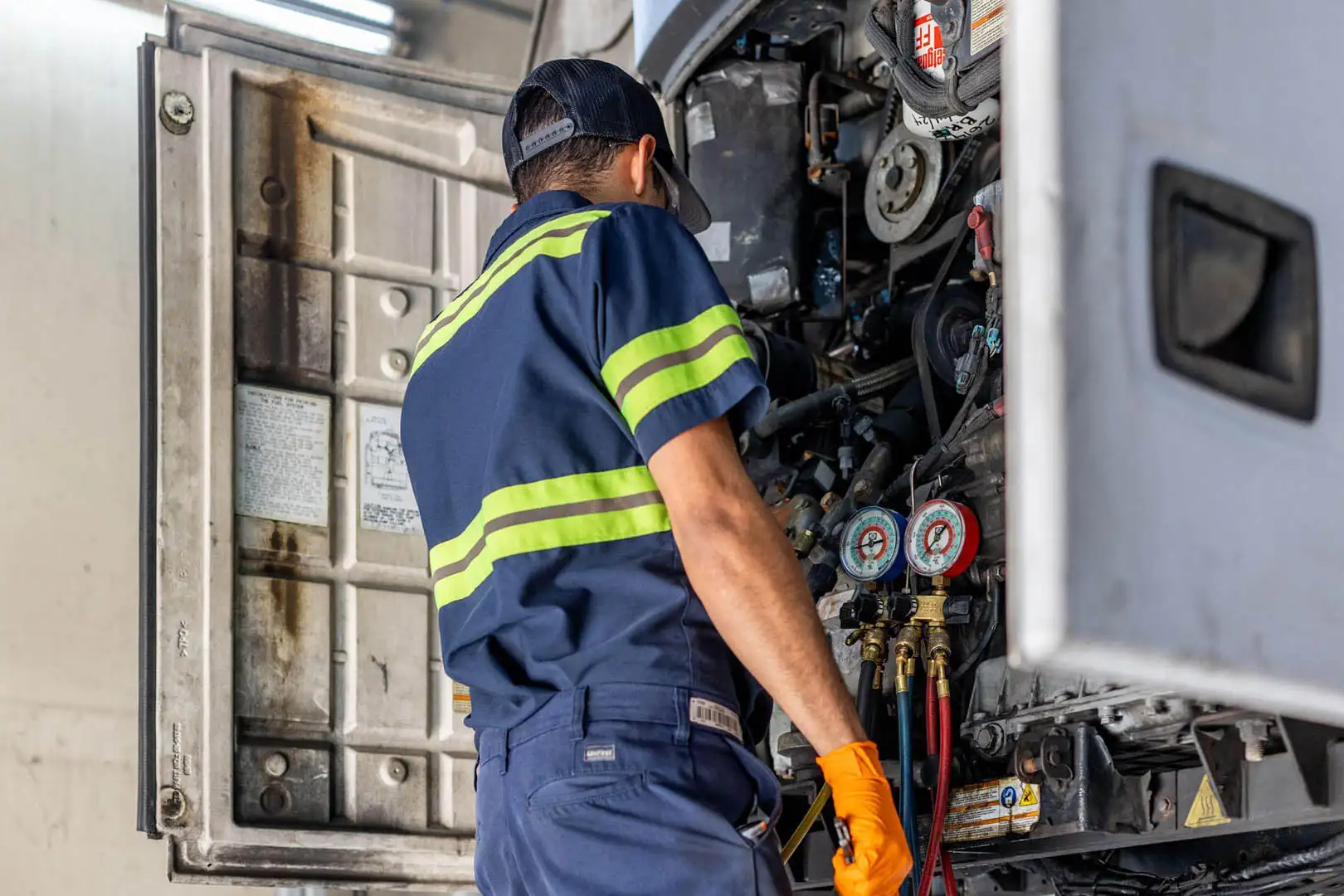
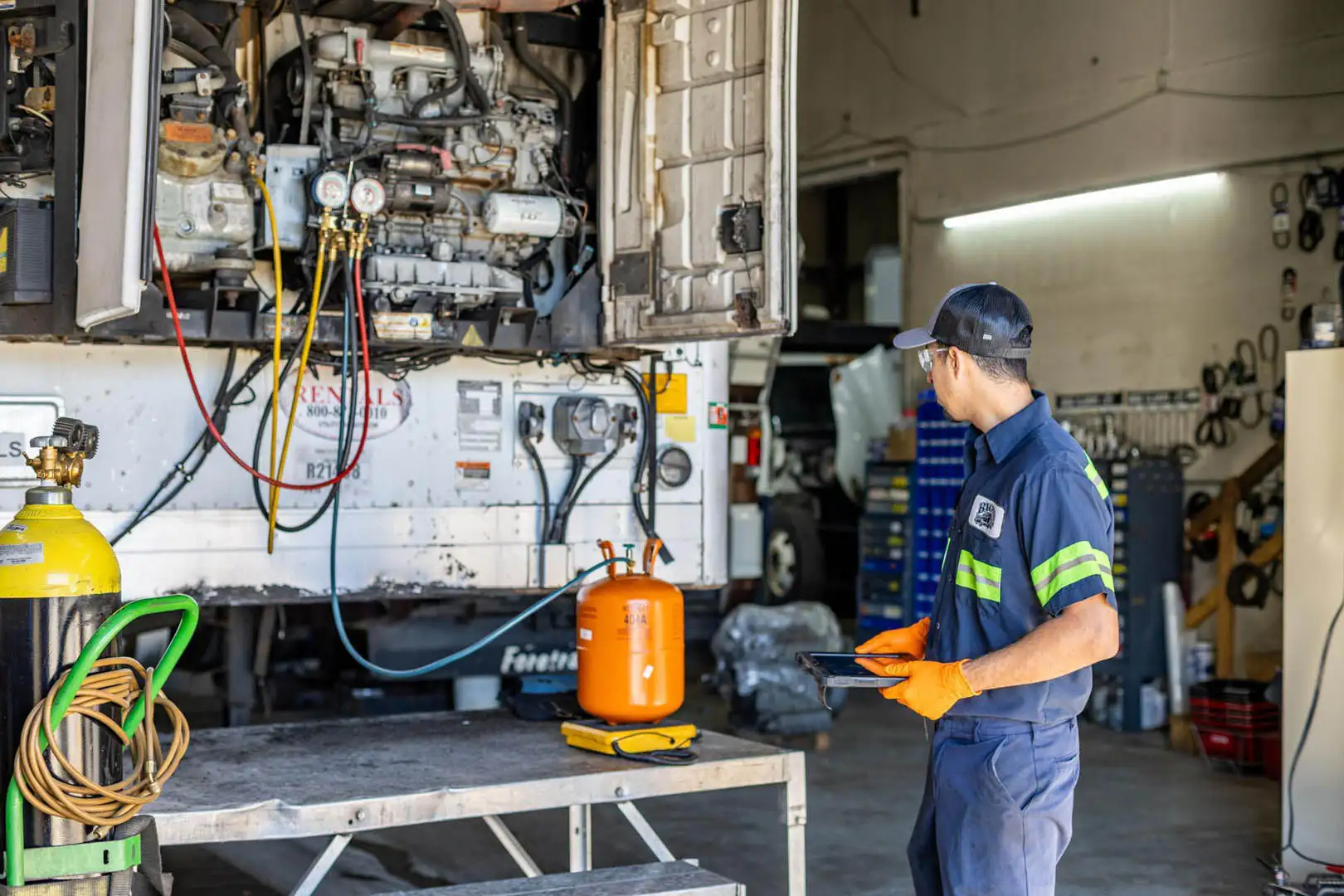
The refrigeration unit's make, model, serial number, hours, and controller information can be more useful than the trailer brand alone. Include the exact alarm, a temperature timeline, your location, whether the trailer is loaded, and access restrictions. Ask what can be assessed and when before assuming a service slot or mobile response is available.
Keep the Load Decision Separate
If the temperature has moved outside shipment requirements, contact the responsible cargo party promptly and preserve the records. Do not assume that restoring the setpoint reverses a temperature excursion. Follow the load's handling and disposition instructions.
Big Rig Fixer provides reefer service in Carol Stream, with Carrier and Thermo King as the main refrigeration brands we service. We are also a dealer and authorized service center for Frigo King and Zanotti. Use the reefer handoff checklist when contacting us.