Maintenance Updated 3 min read
Winter preparation works best as a planned service conversation, not a universal parts list. A truck making frequent local stops and a truck spending long periods on the highway may need different attention. Start with the manufacturer’s maintenance schedule, the vehicle’s current condition, and problems the driver has already noticed.
Bring the Cold-Start History
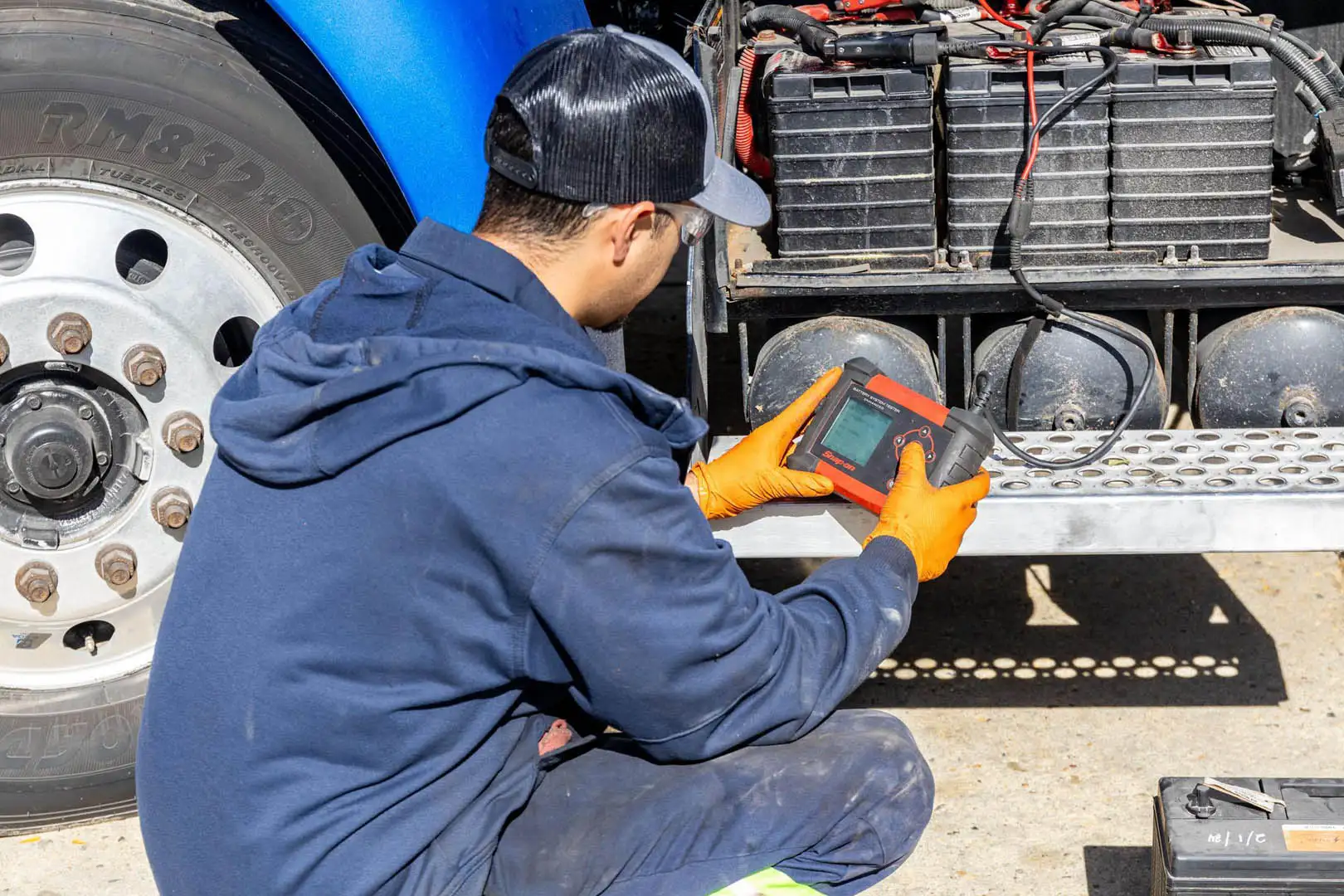
Tell the shop about slow cranking, repeated jump-starts, intermittent electrical concerns, and whether those problems appear after the truck sits. Note battery or charging-system work already performed. Do not assume a new battery alone will resolve every starting concern; ask the shop to investigate the system and explain its findings.
Review the Air-System Service History
Air-system moisture deserves attention before freezing conditions arrive. Bendix describes the air dryer’s role in supplying clean, dry air and helping prevent system freeze-up. Use the correct service instructions for the installed equipment rather than adopting one replacement interval for every truck.
If a driver reports unusual air-pressure behavior or a brake warning, treat that as a defect requiring assessment, not simply a seasonal reminder. Do not continue a trip based on the assumption that the weather explains the symptom.
Ask Targeted Questions at the Appointment
- Which manufacturer-scheduled tasks are due by mileage, hours, or time?
- Are there unresolved starting, heating, visibility, or electrical concerns?
- Does the maintenance history show the correct fluid specifications and previous service?
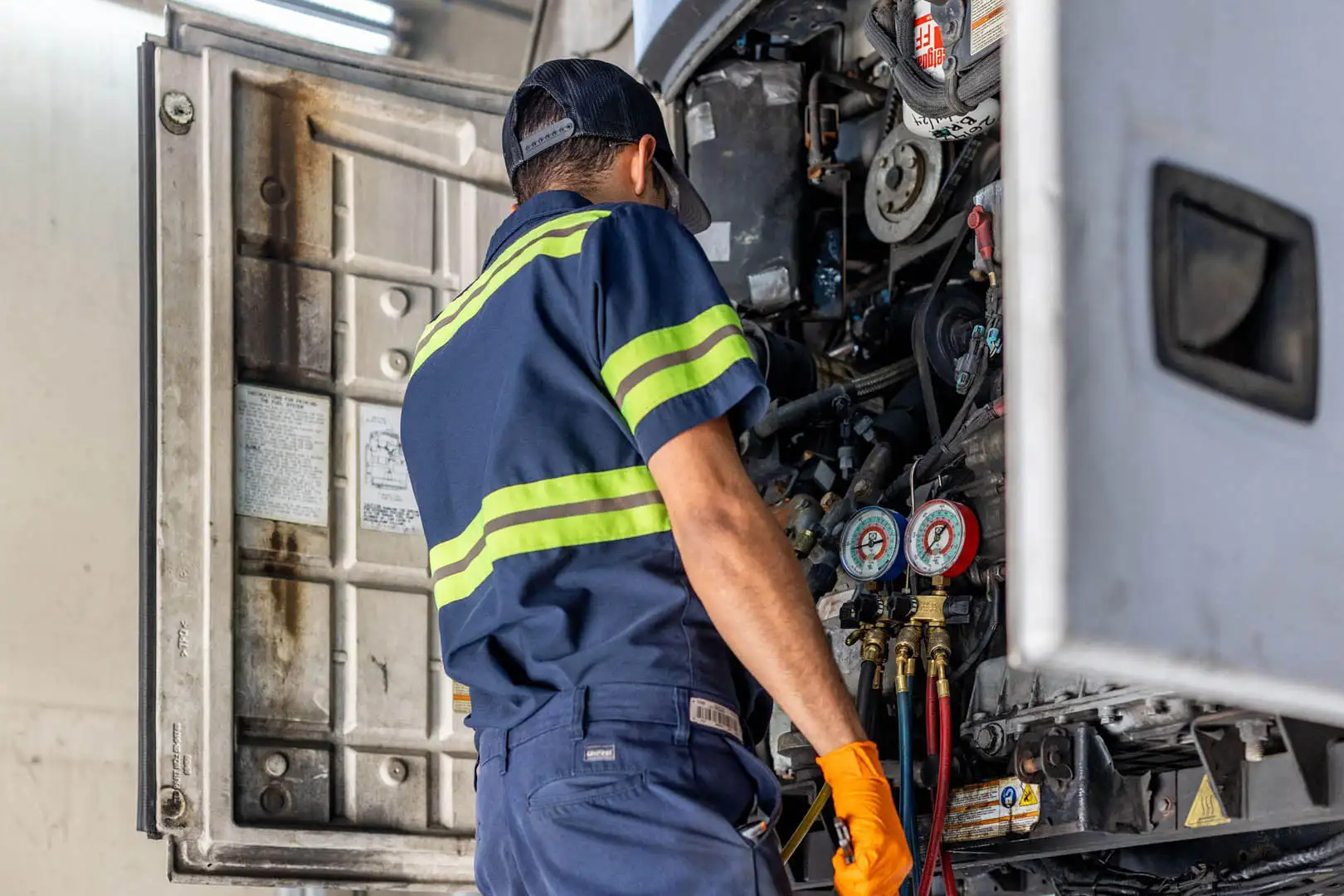
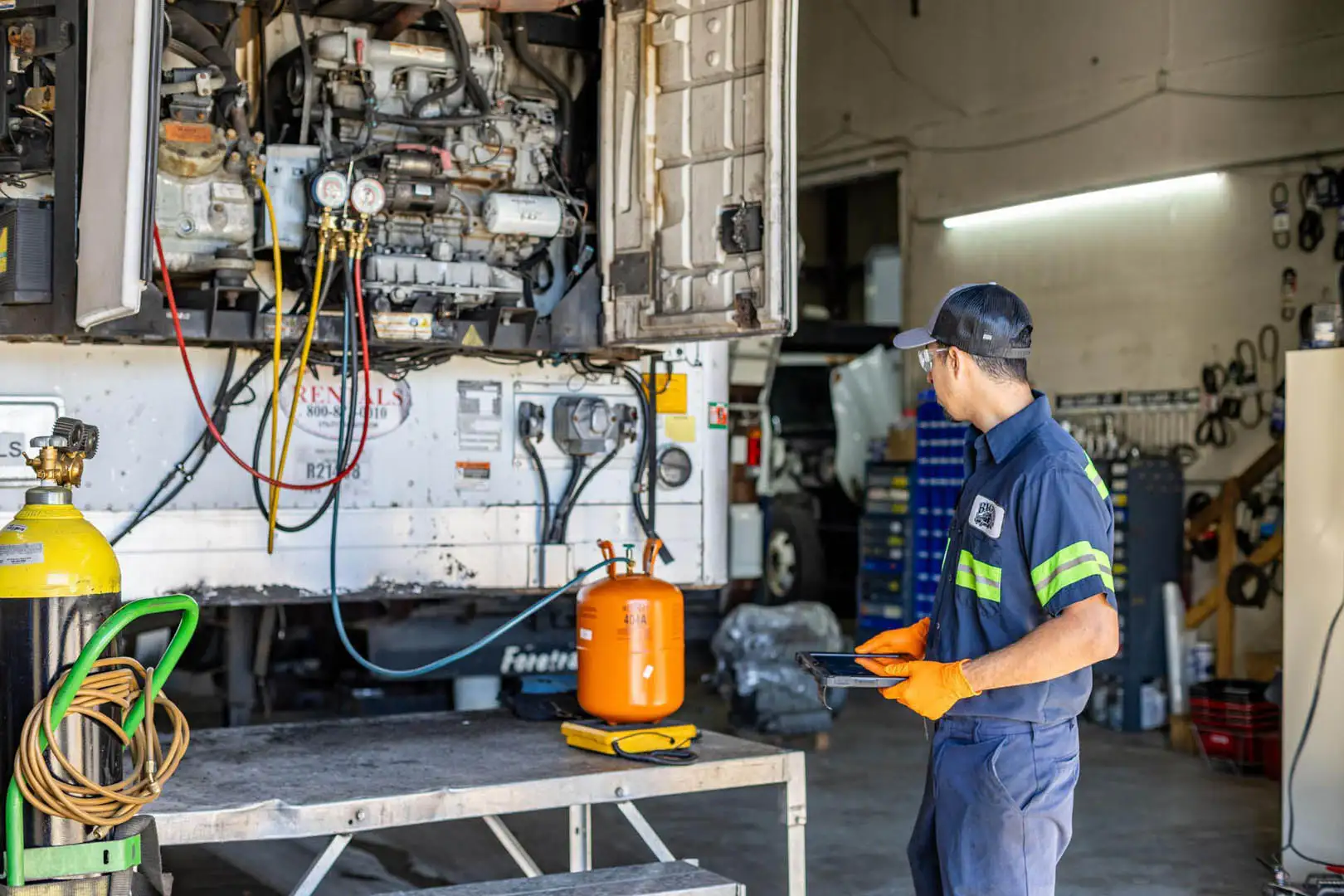
- Are trailer and refrigeration-unit needs included in the plan?
- What findings need attention before the next assignment, and what follow-up is recommended?
Do not mix fluids or choose an additive based only on a generic winter checklist. Ask for the specification that applies to your engine and equipment. Keep any written recommendations with the unit record so the next person ordering supplies has the same information.
Book Around Actual Equipment Availability
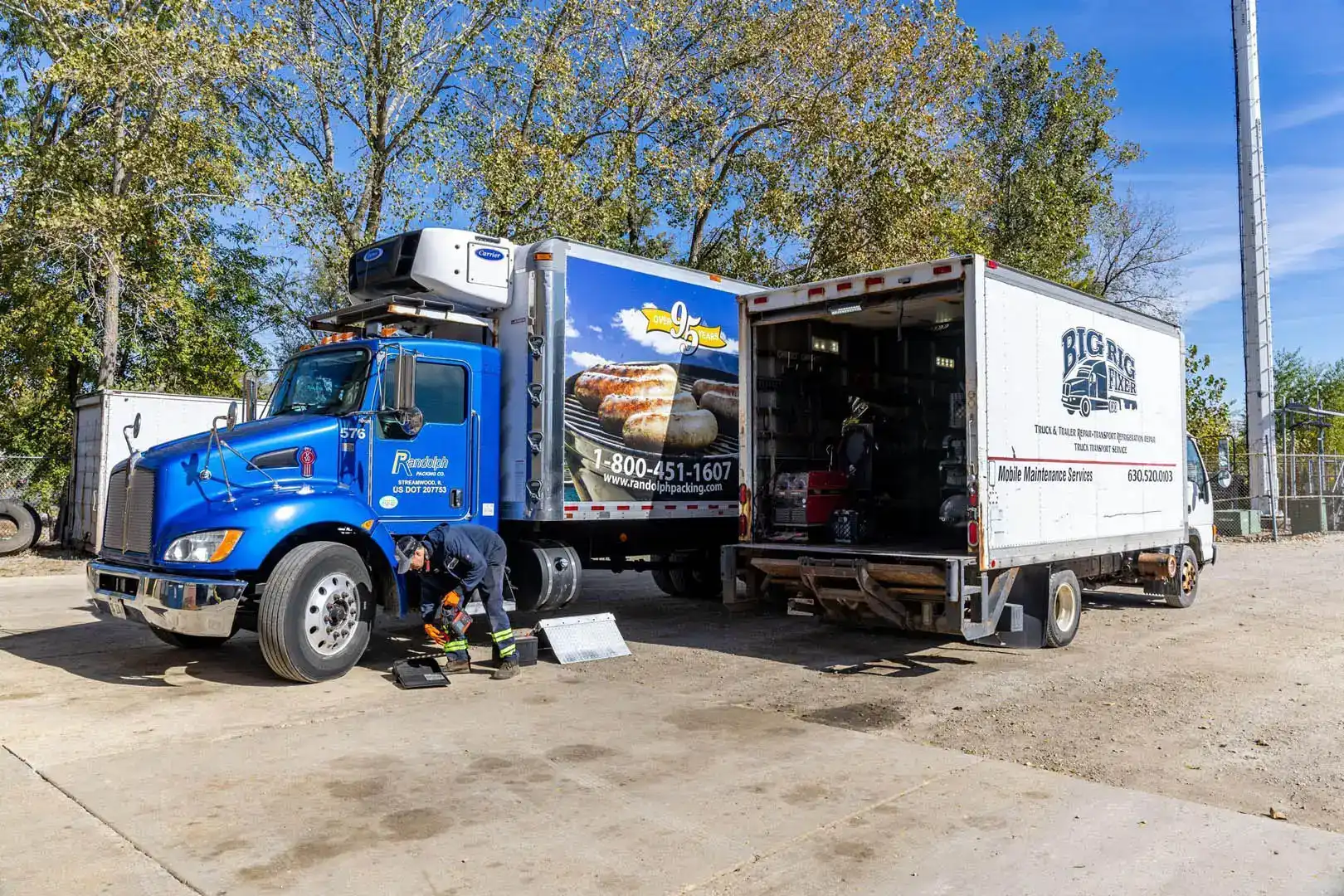
Share the truck’s availability and the next committed route. If several fleet units need attention, discuss a sequence instead of assuming all can be unavailable together. Give the shop a reachable approval contact and ask when findings will be available for planning.
For background, see Bendix’s air-treatment overview. Explore preventative maintenance, electrical repair, and fleet service inquiries at Big Rig Fixer.
Make Stored-Vehicle History Visible
For equipment that has been parked, record the storage period, starting difficulties, warning messages, and any work performed before storage. Low recent mileage does not explain the condition of every system. Bring calendar-based maintenance records and discuss the manufacturer’s requirements for the actual vehicle.