
Refrigeration Updated 3 min read
“The reefer is not cold enough” is an important report, but it leaves several questions unanswered. A useful service handoff separates the requested temperature, the unit’s displayed readings, the product information, and the operating conditions. That helps the shop investigate without treating every temperature complaint as the same fault.
Record What Each Temperature Represents
Write down the setpoint and the displayed temperature with the time of the reading. Identify the sensor or display if known. Record any independently measured product temperature through your normal cargo-handling procedure. Do not assume that a display reading alone establishes product condition or whether a load is acceptable.
If the shipment is temperature-sensitive, notify the responsible dispatcher or cargo contact promptly. Decisions about the product, alternate equipment, or acceptance belong to the shipment’s established procedure. A repair request does not replace that decision process.
Describe the Trip, Not Just the Alarm
- Refrigeration unit make, model, serial number, and hours.
- Exact alarm text or code, with a photo when safely parked.
- Operating mode and whether the unit was running continuously or cycling.
- Recent door openings, loading events, and when the concern first appeared.
- Known maintenance or repairs before the issue began.
Keep the observations factual. If you do not know whether the trailer was pre-cooled or the product was loaded at its required temperature, say so. Missing information is more useful than an assumption that later becomes part of the diagnosis.
Check the Loading Context
Thermo King’s operator guidance explains that transport refrigeration maintains the required load temperature and that air circulation around cargo must remain open. Use the instructions for your exact unit and shipment; do not change a setpoint or operating mode simply to hide a warning.
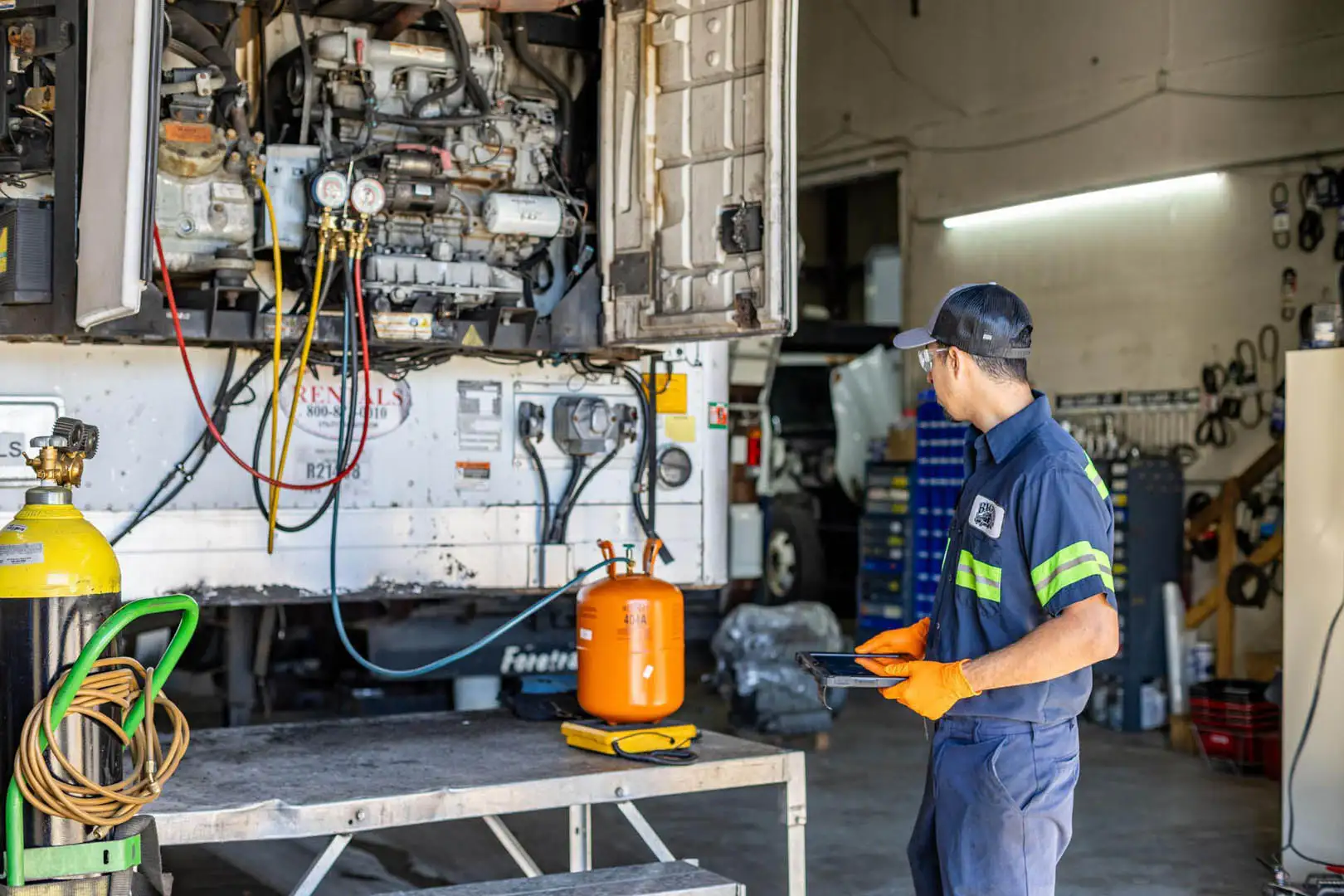
Record visible damage to door seals, air chutes, or the trailer body if it can be observed safely. Do not open pressurized refrigeration components or bypass controls. Refrigerant and electrical work need appropriate equipment and trained personnel.
Arrange the Next Step
Explain whether the trailer is loaded, where it is located, and who can authorize work. Ask what access the technician will need and how cargo handling will be coordinated. Preserve the alarm history and handoff notes with the unit’s service record.
Read the Thermo King Precedent operator manual for model-specific context. For local support, see transport refrigeration repair and request service.
A Temperature Timeline Beats a Single Reading
For example, record the setpoint before loading, the time doors opened, the first abnormal reading, and the alarm that followed. Label which readings came from the controller and which came from another instrument. This is a reporting example, not a product-temperature limit. Use the actual shipment requirements when deciding who needs notification.