Business Updated 3 min read
Local fleet service is most useful when it fits the way your vehicles return, load, and leave again. A nearby repair shop cannot remove every source of downtime, but clear scheduling and a complete handoff can reduce avoidable delays between a driver report, diagnosis, approval, and pickup.
Match the Service Plan to Your Routes
Start with when each vehicle is actually available. A delivery truck that returns every evening has a different release window from a tractor that comes back between long trips. Include trailers and refrigeration units rather than planning only around the power unit.
Tell the shop whether the appointment is routine maintenance, an unresolved fault, an inspection, or several separate tasks. If a truck has a safety concern, arrange assessment promptly instead of holding it for a convenient future PM slot. Do not assume a vehicle can be driven to the shop without discussing the concern.
Prepare One Handoff for the Whole Team
- Unit number, VIN, mileage, and equipment hours where available.
- The driver's description of each concern, including when it occurs.
- Recent repairs and any fault-code or damage photos.
- The person who can answer technical questions and approve work.
- The vehicle release window and the next planned dispatch.
Keep reported facts separate from suspected causes. “Trailer lights fail when connected to tractor 6” is a useful starting point. Ordering a replacement harness before diagnosis may narrow the conversation too early. If several people are involved, agree on where the current status will be recorded.
Plan the Visit, Not Just the Repair
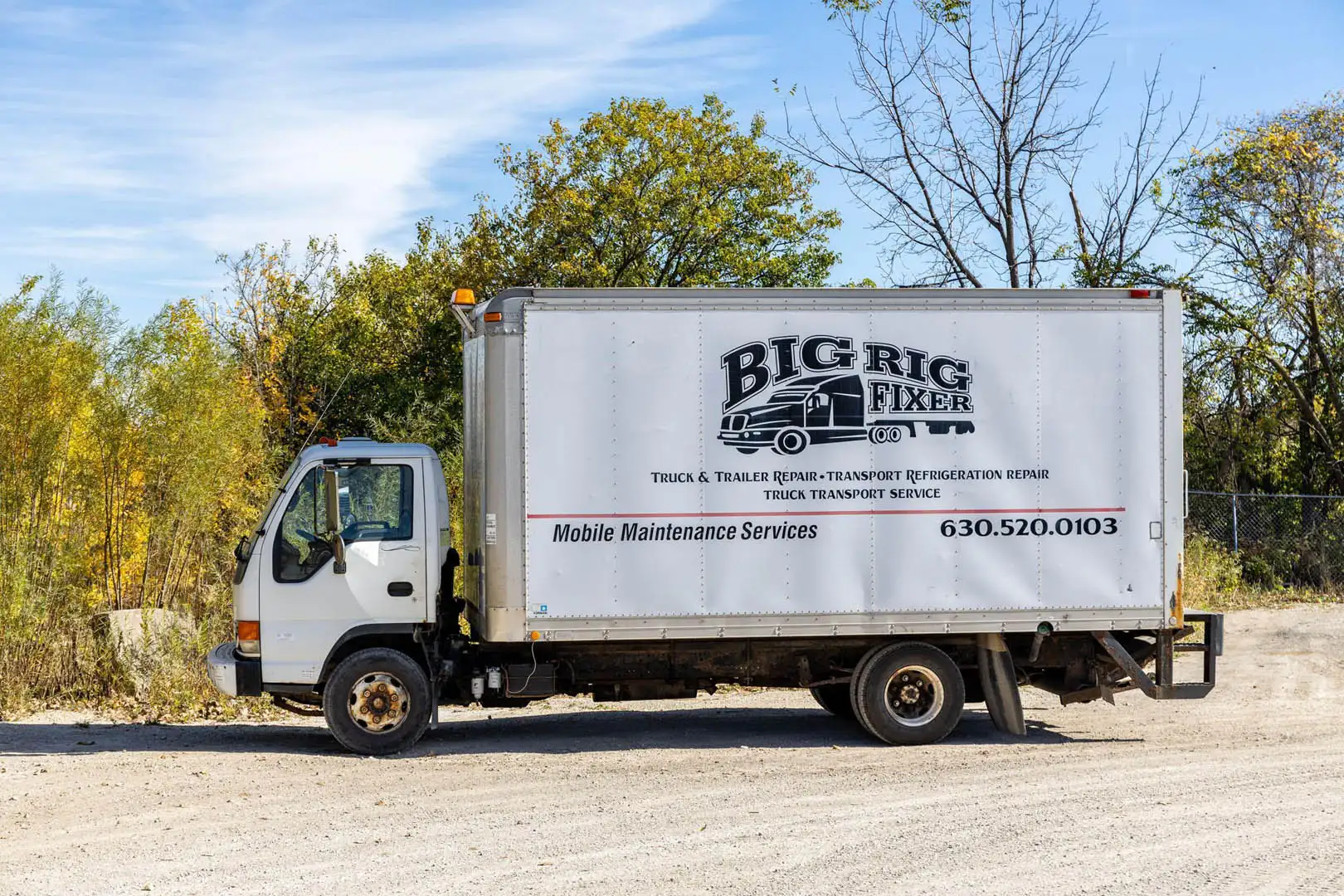
Big Rig Fixer is at 27W010 St. Charles Rd., Unit C, Carol Stream, IL 60188. Before moving a large combination, confirm arrival arrangements, equipment access, and whether the trailer should arrive loaded or empty. Bring keys, relevant records, and information about any auxiliary equipment that affects access.
A service request starts a scheduling conversation. Confirm the appointment and discuss diagnostic scope before planning around a completion time. Some findings can change parts requirements or require a new approval, so identify a reachable decision-maker.
Use Each Visit to Improve the Next One
At pickup, reconcile the work order against the original request. Record what was completed, what remains open, and any follow-up instructions. Update the maintenance schedule for the tasks actually performed. Share the result with drivers who were not present for the repair discussion.
If the same symptom returns, reference the earlier work order and explain what is the same or different. Keeping that connection is more helpful than opening a new complaint with no history.
Find the Right Starting Point
Explore fleet maintenance, truck repair, trailer repair, and refrigeration service. For work that needs coordination with dispatch, the repair planning guide explains how to separate scheduling decisions from diagnostic and repair approvals.