Fleet Management Updated 3 min read
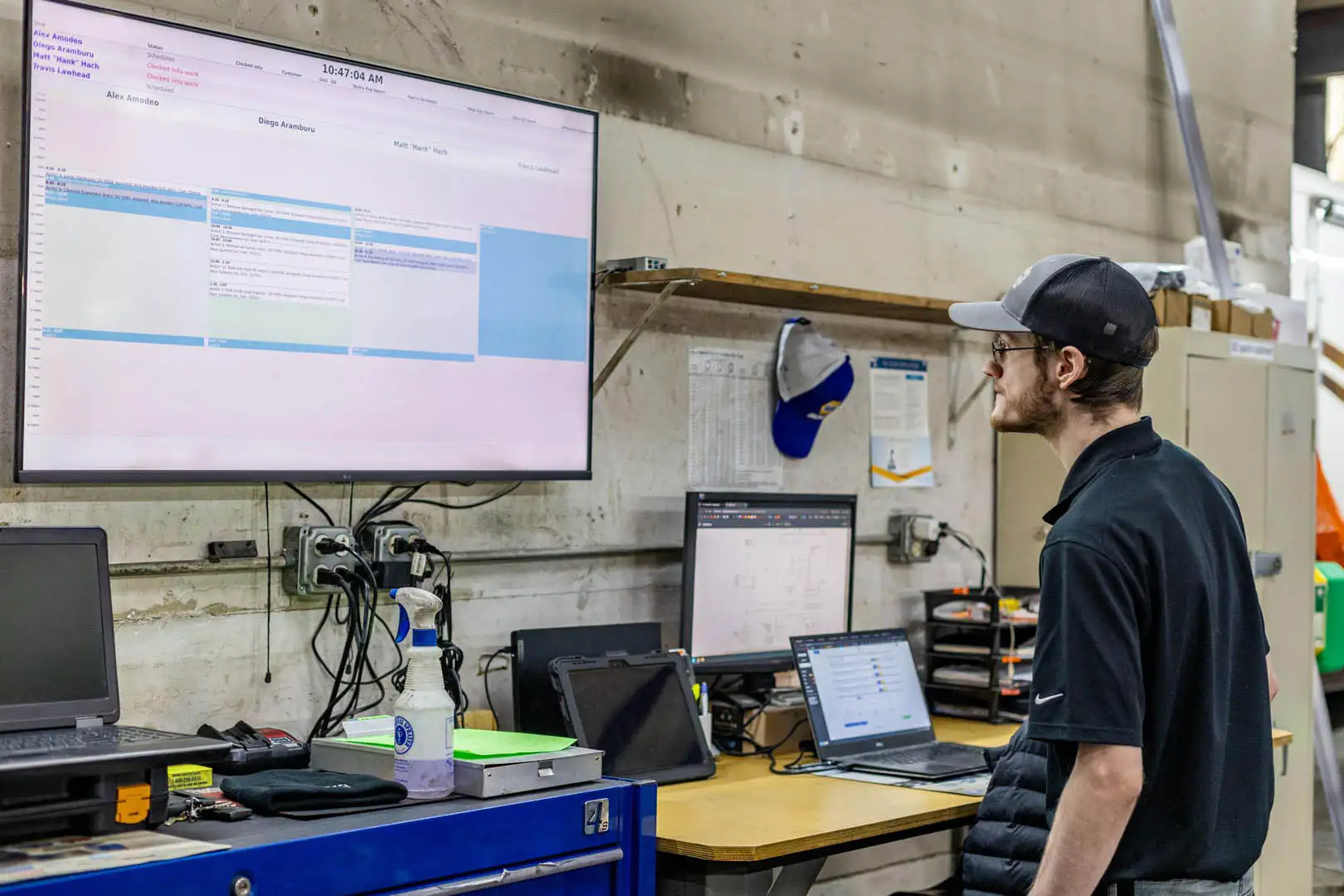
A repair appointment and a dispatch schedule describe two different things. One reserves time to investigate or maintain equipment; the other commits equipment to work. Connecting those plans requires clear priorities and regular updates, especially when the fault or parts requirement is not yet known.
Separate the Required Departure from the Preferred Pickup
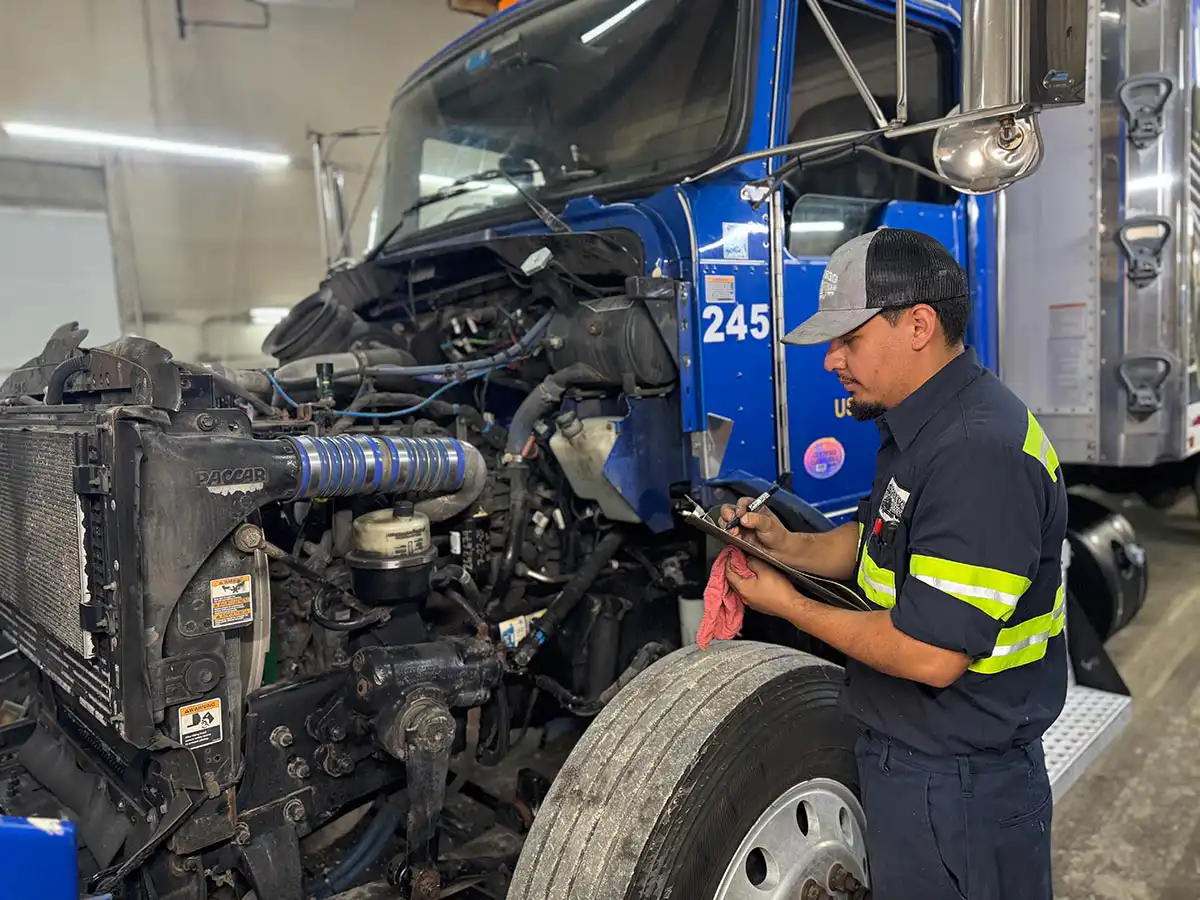
When arranging service, share when the truck is available, its next committed assignment, and whether replacement equipment exists. Label a preferred pickup time as a preference. Ask the shop what can be confirmed now and what depends on inspection. A diagnostic booking is not a promise that every possible repair can be completed in the same window.
Use a Short Priority List
List the reported defect first, followed by maintenance that is due and other concerns the driver noticed. Give each item a clear description. Dispatch should know which concern is preventing use, while the shop should know which extra work needs separate authorization. Safety concerns must be evaluated before schedule pressure influences a return-to-service decision.
- Unit: fleet number, VIN, mileage, and engine hours.
- Reported concern: symptoms, warning messages, and when they occur.
- Availability: drop-off arrangements and the next planned assignment.
- Approval: primary contact, backup contact, and authorization process.
- Update: the next point at which dispatch needs a status report.
Make Approval Easy to Reach
A technically straightforward decision can still delay a job if nobody can approve it. Designate a backup approver and tell the shop which communication method to use. If an estimate changes after inspection, ask for the changed scope and the scheduling implications. Avoid assuming that an earlier estimate includes unrelated defects found later.
For parts-dependent work, distinguish “ordered,” “expected,” and “received.” Keep a contingency plan until the shop confirms that the necessary work and checks are complete. This makes dispatch planning less dependent on an optimistic arrival estimate.
Close the Loop with the Driver
At pickup, record what was completed, what remains open, and any follow-up instructions. Make those notes available to the next driver, not only the person who authorized the invoice. Reconcile the work order with the maintenance schedule so the same task is not requested twice or mistakenly treated as finished.
Big Rig Fixer’s fleet maintenance service is a starting point for discussing your equipment and scheduling needs. Use the fleet inquiry form to describe your units and current maintenance process.
Keep Three Decisions Separate
An appointment date, permission to diagnose, and authorization to repair are different decisions. Record each separately. If dispatch changes the release window, tell the shop; if the findings change the work scope, return to the approval contact. A shared note should state what is confirmed and what is still waiting on a decision.